The Soul of Chimay and Southern Belgium

In Southern Belgium, beer is not just a drink. It is history, identity, and craftsmanship passed down through generations. Nowhere is this more evident than in the region of Chimay, where beer culture carries real meaning beyond the glass.
Chimay is world-famous for its Trappist beers, brewed within the walls of Scourmont Abbey since 1862. Unlike industrial breweries, Trappist production follows strict principles: the beer must be brewed within the monastery, under the supervision of monks, and profits must support the monastery or charitable works. This gives every bottle a deeper purpose. When you taste Chimay, you are tasting a product rooted in discipline, silence, and tradition.
But beer culture in the region is not limited to the abbey. In Chimay and across Wallonia, beer is social. It belongs to village cafés, family tables, local festivals, and countryside walks that end with a well-earned glass. The experience is slow, intentional, and respectful of the craft. Glassware matters. Serving temperature matters. Pairing matters.
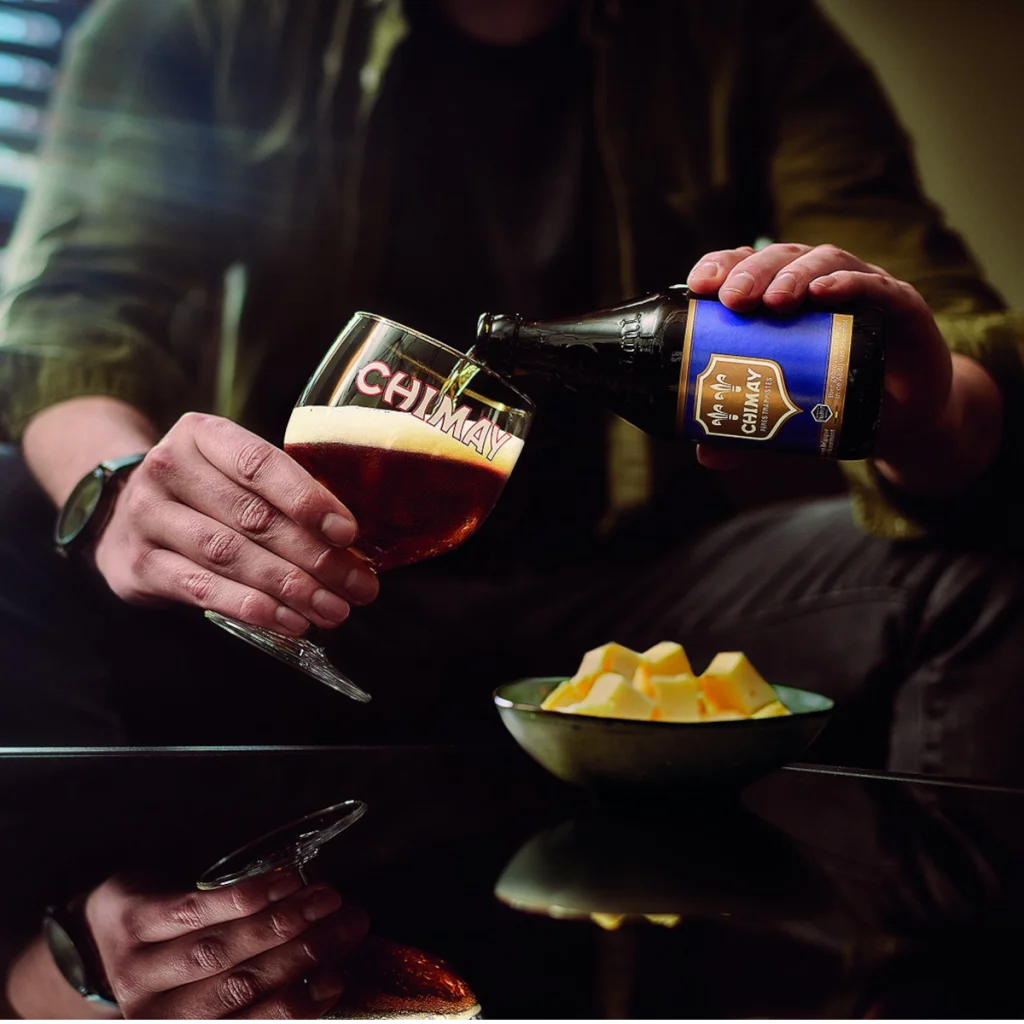
What makes this culture meaningful is its connection to the land. The region’s clean water, agricultural heritage, and rural identity shape the character of its beers. Chimay’s rich ales pair naturally with local cheeses, especially Chimay cheese washed in Trappist beer. Food and beer are inseparable here.
Beyond the taste, beer in Southern Belgium represents resilience. Monasteries rebuilt after wars. Rural communities preserved traditions despite industrialization. Small producers continued brewing with patience rather than speed. In a fast world, this region chooses depth over volume.
To explore beer culture in Chimay is to understand that authenticity is not marketing it is lived heritage. Each sip tells a story of faith, craftsmanship, and community.
And that is what makes Wallonia’s beer culture not just famous, but meaningful.